
Table of Contents
- Introduction
- Why Visit Castile and León?
- Best Places to Visit in Castile and León
- Best Things to Do in Castile and León
- Where to Stay in Castile and León
- Transportation and Essential Logistics for Foreigners
- Safety, Currency, and Practical Tips for Visitors
- Gastronomy and Cultural Highlights
- Frequently Asked Questions
- Conclusion
- Related Posts
Introduction
Castile and León is Spain’s largest autonomous community, offering an extraordinary combination of medieval cities, UNESCO World Heritage Sites, breathtaking natural landscapes, and centuries of cultural heritage. Located in northwestern Spain, the region is renowned for its magnificent cathedrals, historic castles, Roman monuments, and world-famous wine regions.
Whether you are planning a cultural holiday, a scenic road trip, or a relaxing countryside escape, Castile and León provides unforgettable experiences throughout the year. From the golden sandstone streets of Salamanca to the impressive Roman aqueduct of Segovia and the medieval walls of Ávila, every destination tells a unique story about Spain’s rich past.
This travel guide covers the best places to visit, top attractions, accommodation recommendations, transportation, local cuisine, and practical travel tips to help you make the most of your journey.
Why Visit Castile and León?
Castile and León is one of Spain’s most rewarding destinations for travelers interested in history, architecture, gastronomy, and outdoor adventures. The region is home to numerous UNESCO World Heritage Sites, charming medieval towns, and spectacular natural landscapes that remain less crowded than many of Spain’s coastal destinations.
Visitors can admire Gothic cathedrals in Burgos and León, explore one of Europe’s oldest universities in Salamanca, walk beside the Roman aqueduct in Segovia, or discover the ancient city walls of Ávila. The region is also famous for producing exceptional wines in Ribera del Duero and offering authentic Spanish cuisine rooted in centuries-old traditions.
Its welcoming atmosphere, affordable accommodations, and excellent transportation connections make Castile and León an ideal destination for families, couples, solo travelers, and digital nomads.
Best Places to Visit in Castile and León
Glamping La Bellota
Glamping La Bellota is a unique countryside accommodation in Castilla y León that combines the comfort of a hotel with the beauty of nature. This property is ideal for travelers looking for an outdoor escape without giving up modern facilities.
Surrounded by peaceful landscapes, the glamping experience offers a relaxing atmosphere for couples, families, and nature lovers. Guests can enjoy the natural surroundings, fresh air, and a slower pace of life while discovering the beauty of rural Spain.
Abadía Retuerta LeDomaine
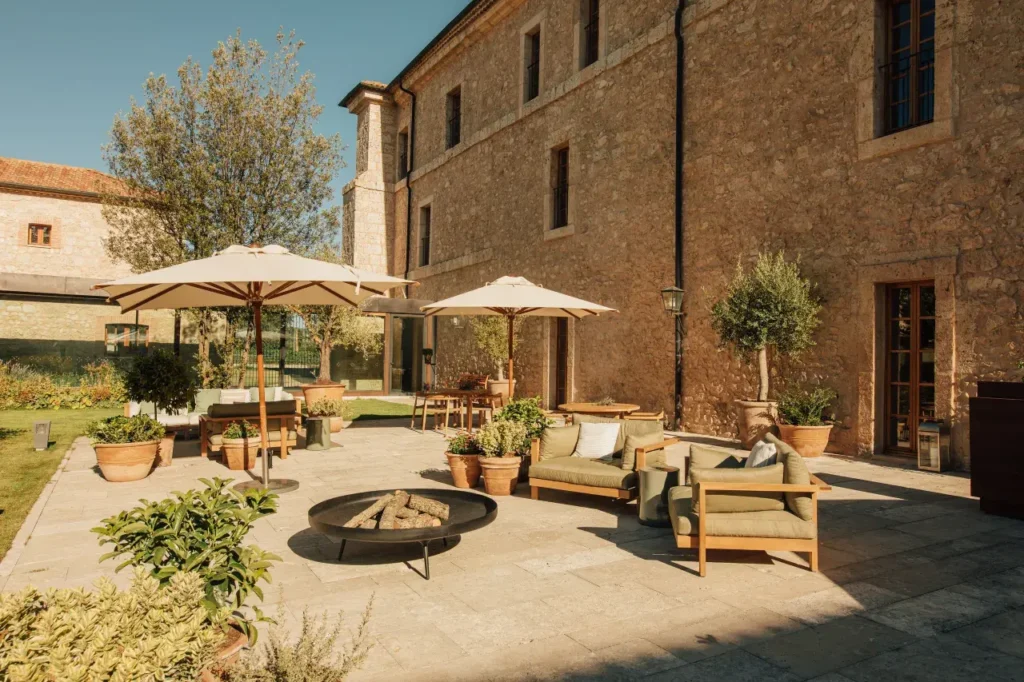
Abadía Retuerta LeDomaine is one of the most exclusive luxury hotels in Castilla y León. Located in a restored 12th-century monastery in the Ribera del Duero wine region, this hotel offers a unique combination of history, luxury, gastronomy, and wine experiences.
The property features elegant rooms, a Michelin-starred restaurant, a world-class winery, and wellness facilities. It is an excellent choice for travelers seeking a premium countryside retreat with authentic Spanish heritage and unforgettable wine tourism experiences.
Castilla Termal Monasterio de Valbuena
Castilla Termal Monasterio de Valbuena is a luxury thermal hotel located inside a beautifully restored 12th-century monastery in Valladolid province. The hotel combines historic architecture with modern spa facilities, creating a peaceful wellness destination.
Guests can enjoy thermal pools, spa treatments, elegant accommodations, and regional cuisine. This hotel is perfect for couples, wellness travelers, and visitors looking for a relaxing luxury escape surrounded by the vineyards of Ribera del Duero.
Parador de León – San Marcos
Parador de León – San Marcos is one of the most iconic historic hotels in Spain. Located in a former Renaissance monastery in the city of León, this luxury hotel offers an extraordinary experience combining history, architecture, and modern comfort.
The hotel features impressive stone architecture, elegant rooms, beautiful gardens, and a convenient location near León’s historic attractions. It is an ideal choice for travelers interested in cultural trips, historic hotels, and luxury stays in Spain.
Hotel Rector
Hotel Rector is a charming boutique hotel located in Salamanca, Castilla y León. Known for its elegant design, personalized service, and peaceful atmosphere, the hotel provides a refined stay in one of Spain’s most beautiful historic cities.
The hotel offers stylish rooms, a quiet garden area, and a convenient location near Salamanca’s famous monuments, including the historic university and Plaza Mayor. It is perfect for couples and travelers seeking a comfortable boutique experience.
El Abrigaño del Cañón I y II
El Abrigaño del Cañón I y II is a rural accommodation located in the natural landscapes of Castilla y León. This property is ideal for travelers who want to escape the city and enjoy the tranquility of the Spanish countryside.
With a peaceful setting, comfortable facilities, and access to outdoor activities, it is a great choice for families, groups, and nature lovers exploring the region’s mountains, valleys, and rural villages.
Eunice Hotel Gastronómico
Eunice Hotel Gastronómico is a boutique hotel focused on luxury, comfort, and culinary experiences. Designed for travelers who appreciate gastronomy and personalized hospitality, the hotel offers an elegant atmosphere in Castilla y León.
Guests can enjoy stylish accommodations, high-quality dining experiences, and a relaxing environment. It is a great choice for food lovers, couples, and travelers searching for a unique boutique stay.
Best Things to Do in Castile and León
There are countless experiences waiting for visitors throughout the region.
- Walk beside the Roman Aqueduct of Segovia.
- Explore the University of Salamanca.
- Visit Burgos Cathedral.
- Discover the medieval walls of Ávila.
- Tour the Alcázar of Segovia.
- Enjoy wine tasting in Ribera del Duero.
- Visit Las Médulas, the ancient Roman gold mines.
- Hike through the Picos de Europa National Park.
- Experience traditional village festivals.
- Sample authentic Castilian cuisine.
Where to Stay in Castile and León
Castile and León offers accommodations ranging from luxury monasteries and historic paradors to boutique hotels and countryside retreats.
Some of the region’s most highly rated accommodations include:
Glamping la Bellota
A luxury glamping experience in Salamanca Province surrounded by oak forests and peaceful countryside, perfect for travelers seeking nature without sacrificing comfort.
Abadía Retuerta LeDomaine
Set within a beautifully restored twelfth-century abbey in Ribera del Duero, this luxury hotel combines Michelin-starred dining, elegant accommodations, and world-class wine experiences.
Castilla Termal Monasterio de Valbuena
Located inside a historic monastery, this wellness retreat features thermal spa facilities, elegant rooms, and beautiful historic architecture.
Parador de León – San Marcos
One of Spain’s most iconic hotels, this former sixteenth-century monastery offers luxurious accommodation within one of the country’s most important Renaissance buildings.
Hotel Rector
This elegant boutique hotel in Salamanca is renowned for its outstanding service, refined interiors, and convenient location near the city’s major attractions.
El Abrigaño del Cañón I y II
These charming rural houses provide a cozy countryside retreat near Burgos, making them ideal for hikers and nature lovers exploring the Ebro Canyon.
Eunice Hotel Gastronómico
Located in Salamanca, this contemporary boutique hotel combines luxury accommodation with exceptional gastronomic experiences showcasing regional cuisine.
Transportation and Essential Logistics for Foreigners
Castile and León is well connected by Spain’s modern transportation network. High-speed AVE trains link Madrid with major cities such as Segovia, Valladolid, León, and Burgos, making travel convenient for international visitors.
Regional buses connect smaller towns, while an extensive highway network allows easy access throughout the region. Renting a car is recommended for travelers planning to explore wine regions, medieval villages, castles, and natural parks beyond the main cities.
Historic city centers are best explored on foot, allowing visitors to fully appreciate centuries-old architecture and charming streets.
Safety, Currency, and Practical Tips for Visitors
Castile and León is considered one of Spain’s safest regions for tourists.
Here are some useful travel tips:
- The official currency is the Euro (€).
- Credit cards are widely accepted.
- Carry some cash when visiting rural villages.
- Tap water is safe to drink.
- Pharmacies are marked with a green illuminated cross.
- Lunch is usually served between 2:00 PM and 4:00 PM.
- Dinner commonly starts after 8:30 PM.
- Learning a few Spanish phrases is appreciated by local residents.
The region’s relaxed pace and friendly communities create an enjoyable environment for all types of travelers.
Gastronomy and Cultural Highlights
Castile and León is celebrated for its rich culinary traditions and outstanding regional products.
Some local specialties include:
- Lechazo Asado (roast suckling lamb)
- Morcilla de Burgos
- Cecina de León
- Queso Zamorano
- Ribera del Duero wines
Food lovers will also discover excellent local cheeses, cured meats, artisan breads, and traditional desserts throughout the region.
Beyond its cuisine, Castile and León offers an impressive cultural calendar featuring Holy Week celebrations, medieval festivals, historical reenactments, wine festivals, and traditional markets.
Visitors can also explore Las Médulas, an extraordinary Roman archaeological landscape, and follow sections of the famous Camino de Santiago pilgrimage route.
Frequently Asked Questions
Is Castile and León worth visiting?
Yes. Castile and León is one of Spain’s most culturally significant regions, offering medieval cities, UNESCO World Heritage Sites, spectacular cathedrals, historic castles, and world-class gastronomy.
How many days should I spend in Castile and León?
A five to seven-day itinerary is recommended to explore Salamanca, Segovia, Burgos, León, Ávila, and nearby wine regions.
What is the best time to visit Castile and León?
Spring and autumn provide pleasant temperatures for sightseeing, hiking, and wine tourism, while summer hosts numerous cultural festivals throughout the region.
Do I need a rental car?
A rental car is recommended for exploring rural villages, vineyards, castles, and natural parks beyond the major cities.
What is Castile and León famous for?
The region is famous for its UNESCO World Heritage cities, Gothic cathedrals, Roman monuments, medieval castles, Ribera del Duero wines, Camino de Santiago, and outstanding traditional cuisine.
Conclusion
Castile and León is a destination where history, architecture, gastronomy, and natural beauty combine to create one of Spain’s most enriching travel experiences. Whether you are admiring the Roman Aqueduct of Segovia, exploring the medieval streets of Salamanca, tasting renowned Ribera del Duero wines, or discovering centuries-old monasteries and castles, every journey reveals another chapter of Spain’s remarkable heritage.
Its peaceful atmosphere, welcoming communities, and extraordinary cultural landmarks make Castile and León an excellent destination for travelers looking to experience authentic inland Spain. Plan your itinerary, explore beyond the major cities, and discover why this remarkable region continues to captivate visitors from around the world.