
Table of Contents
- Introduction
- Why Visit Castilla-La Mancha?
- Best Places to Visit in Castilla-La Mancha
- Best Things to Do in Castilla-La Mancha
- Where to Stay in Castilla-La Mancha
- Transportation and Essential Logistics for Foreigners
- Safety, Currency, and Practical Tips for Visitors
- Gastronomy and Cultural Highlights
- Frequently Asked Questions
- Conclusion
- Related Posts
Introduction
Castilla-La Mancha is one of Spain’s most iconic regions, known for its rich literary heritage, medieval cities, historic castles, and endless countryside landscapes. Located in the heart of the Iberian Peninsula, the region offers visitors an authentic Spanish experience away from the country’s busiest tourist destinations.
Famous as the setting of Miguel de Cervantes’ legendary novel Don Quixote, Castilla-La Mancha combines centuries of history with charming villages, UNESCO World Heritage Sites, natural parks, and world-renowned gastronomy. Whether you are interested in exploring ancient cities, discovering traditional culture, or enjoying scenic road trips through the Spanish countryside, this region offers unforgettable experiences throughout the year.
This travel guide covers the best places to visit, top attractions, accommodation recommendations, transportation, local cuisine, and practical travel tips to help you plan your perfect journey.
Why Visit Castilla-La Mancha?
Castilla-La Mancha offers a unique blend of history, culture, and natural beauty. Visitors can explore medieval fortresses, Renaissance squares, Roman ruins, and picturesque villages while experiencing one of Spain’s most authentic regions.
The region is home to Toledo, one of Spain’s most spectacular UNESCO World Heritage cities, along with Cuenca’s famous Hanging Houses, the legendary windmills of Consuegra, and the beautiful landscapes of Cabañeros National Park.
Compared with Spain’s larger tourist destinations, Castilla-La Mancha offers a slower pace of life, affordable accommodation, excellent local cuisine, and welcoming communities. Its central location also makes it an ideal destination for travelers exploring Madrid and central Spain.
Best Places to Visit in Castilla-La Mancha
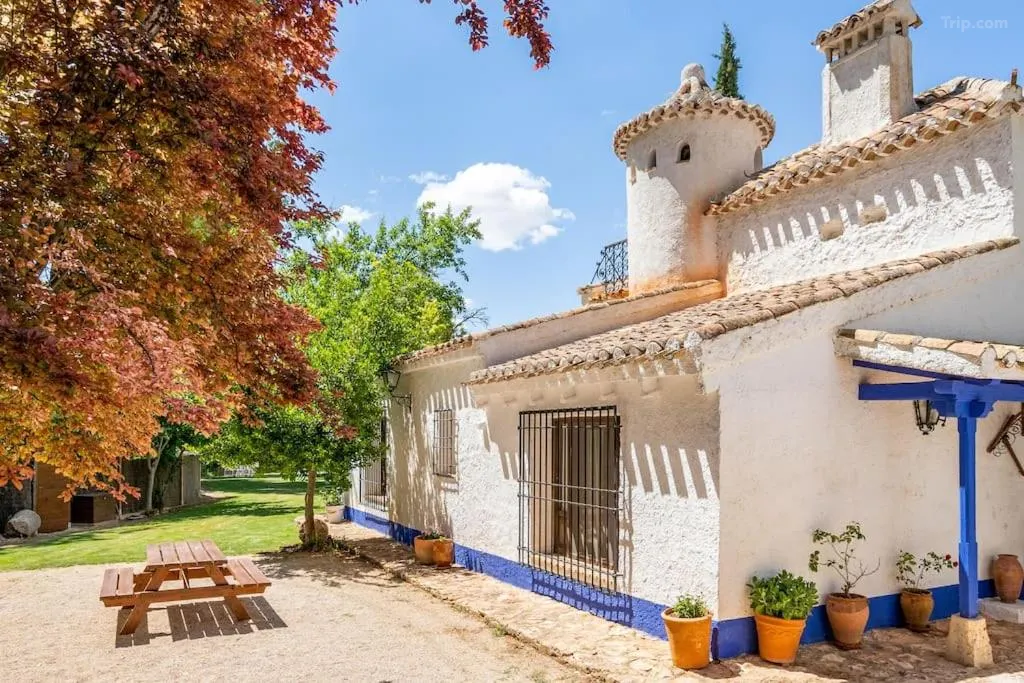
Venta del Celemín
Venta del Celemín is a charming rural accommodation located in the heart of Castilla-La Mancha, offering travelers a peaceful countryside escape. Surrounded by nature, this property is ideal for visitors looking for tranquility, authentic Spanish landscapes, and a relaxing atmosphere away from busy cities.
The hotel combines traditional rural charm with modern comfort, making it a great choice for couples, families, and nature lovers. Guests can enjoy the peaceful environment, local culture, and beautiful scenery of the Castilla-La Mancha countryside.
Castilla Termal Brihuega
Castilla Termal Brihuega is a luxury wellness hotel located in the historic town of Brihuega, Guadalajara. Known for its elegant design and relaxing atmosphere, the hotel offers a perfect combination of luxury accommodation, thermal experiences, and Spanish heritage.
The property features modern rooms, spa facilities, wellness treatments, and high-quality dining options. It is an excellent choice for travelers seeking a relaxing getaway, romantic escape, or premium spa experience in Castilla-La Mancha.
Parador de Alarcón
Parador de Alarcón is one of the most unique historic hotels in Castilla-La Mancha. Located inside a medieval castle overlooking the Júcar River, this hotel offers guests the opportunity to stay in a beautifully preserved historic building.
With its stone walls, traditional architecture, and elegant interiors, Parador de Alarcón provides a memorable experience for travelers interested in history, culture, and romantic getaways. Its location also allows visitors to explore the charming medieval village of Alarcón.
Miluna
Miluna is a unique boutique accommodation located in the countryside of Toledo province. Famous for its transparent dome rooms, this hotel offers an unforgettable experience where guests can enjoy views of the night sky while staying in a comfortable and modern space.
The hotel is perfect for couples looking for a romantic escape, stargazing experience, and peaceful retreat. With its innovative design and natural surroundings, Miluna provides a different way to experience Castilla-La Mancha.
Parador de Toledo
Parador de Toledo is one of the most famous luxury hotels in Castilla-La Mancha, offering spectacular views over the historic city of Toledo. Located on a hilltop, the hotel combines traditional Castilian architecture with modern comfort.
Guests can enjoy elegant rooms, a swimming pool, regional cuisine, and panoramic views of Toledo’s historic skyline. This hotel is an excellent choice for travelers who want a luxury stay while exploring one of Spain’s most important cultural destinations.
Hotel Spa Niwa
Hotel Spa Niwa is a boutique wellness hotel located in Brihuega, Guadalajara. Designed for relaxation and comfort, this hotel offers a peaceful atmosphere with personalized service and spa facilities.
It is a great option for couples and travelers seeking a quiet escape with wellness treatments, comfortable rooms, and a more intimate hotel experience. The location also allows guests to explore the historic charm and natural beauty of Brihuega.
Eugenia de Montijo, Autograph Collection
Eugenia de Montijo, Autograph Collection is a luxury boutique hotel located in the historic center of Toledo. Inspired by the former residence of Empress Eugenia de Montijo, the hotel combines elegant architecture, Spanish history, and modern luxury.
The hotel features stylish rooms, a refined atmosphere, spa services, and a prime location near Toledo’s famous landmarks. It is an excellent choice for travelers seeking a sophisticated stay with cultural experiences.eer, wild boar, imperial eagles, and numerous native bird species throughout the park.
Best Things to Do in Castilla-La Mancha
There are countless ways to experience the region’s cultural and natural heritage.
- Explore the historic streets of Toledo.
- Visit the famous windmills of Consuegra.
- Admire Cuenca’s Hanging Houses.
- Discover medieval castles throughout the countryside.
- Hike in Cabañeros National Park.
- Attend the Almagro International Classical Theatre Festival.
- Visit local wineries and taste regional wines.
- Explore traditional villages and artisan workshops.
- Photograph historic plazas and Renaissance architecture.
- Learn about the story of Don Quixote and Miguel de Cervantes.
Where to Stay in Castilla-La Mancha
Castilla-La Mancha offers accommodations ranging from luxury hotels and historic castles to boutique countryside retreats and wellness resorts.
Some of the region’s top accommodation choices include:
Venta del Celemín
Located near the beautiful Lagunas de Ruidera Natural Park, this rural hotel provides peaceful surroundings, traditional architecture, and easy access to one of the region’s most scenic natural attractions.
Castilla Termal Brihuega
Housed inside a restored eighteenth-century Royal Cloth Factory, this luxury hotel features elegant rooms, a thermal spa, and views of Brihuega’s famous lavender fields.
Parador de Alarcón
Set within an eighth-century Moorish fortress overlooking the Júcar River, this historic hotel offers an unforgettable castle experience with panoramic countryside views.
Miluna
One of Spain’s most unique accommodations, Miluna allows guests to sleep beneath the stars inside luxurious transparent bubble suites surrounded by peaceful rural landscapes.
Parador de Toledo
Offering spectacular panoramic views across Toledo’s historic skyline, this luxury hotel combines traditional architecture with modern comforts and outstanding hospitality.
Hotel Spa Niwa
Located in Brihuega, this boutique wellness hotel specializes in spa treatments, relaxation, and personalized guest experiences within a tranquil setting.
Eugenia de Montijo, Autograph Collection
Situated in the heart of Toledo, this elegant luxury hotel occupies a beautifully restored historic palace while offering modern amenities and refined dining experiences.
Transportation and Essential Logistics for Foreigners
Castilla-La Mancha is easily accessible from Madrid via Spain’s extensive high-speed AVE rail network. Toledo, Ciudad Real, and Cuenca are all connected by fast and comfortable train services.
Regional buses connect smaller towns, while modern highways make driving throughout the region straightforward. Renting a car is highly recommended for visitors wishing to explore remote villages, historic castles, vineyards, and natural parks at their own pace.
Walking remains the best way to discover the historic centers of Toledo, Cuenca, and Almagro, where many attractions are located within compact old towns.
Safety, Currency, and Practical Tips for Visitors
Castilla-La Mancha is considered one of Spain’s safest destinations for international travelers.
Before your trip, keep these practical tips in mind:
- The official currency is the Euro (€).
- Credit and debit cards are widely accepted.
- Carry some cash when visiting smaller villages.
- Tap water is safe to drink throughout the region.
- Pharmacies are identified by a green illuminated cross.
- Lunch is typically served between 2:00 PM and 4:00 PM.
- Dinner usually begins after 8:30 PM.
- Learning a few basic Spanish phrases will enhance your travel experience.
The region’s relaxed atmosphere and friendly communities make it an excellent destination for families, couples, solo travelers, and digital nomads.
Gastronomy and Cultural Highlights
Castilla-La Mancha is famous for producing some of Spain’s finest traditional foods and wines.
One of its best-known products is Manchego cheese, made from Manchega sheep’s milk and recognized worldwide for its distinctive flavor.
Other regional specialties include:
- Pisto Manchego
- Morteruelo
- Migas Manchegas
- Gazpacho Manchego
- Marzipan from Toledo
The region is also the world’s largest wine-producing area, with numerous vineyards offering wine tastings and cellar tours.
Culturally, Castilla-La Mancha celebrates its heritage through festivals, traditional markets, and historic performances. Visitors can experience Corpus Christi celebrations in Toledo, the Almagro International Classical Theatre Festival, artisan workshops producing Toledo swords and damascene metalwork, and local fairs held throughout the year.
Frequently Asked Questions
Is Castilla-La Mancha worth visiting?
Yes. Castilla-La Mancha is one of Spain’s most rewarding destinations, offering UNESCO World Heritage cities, medieval castles, natural parks, and authentic Spanish culture.
How many days should I spend in Castilla-La Mancha?
A five to seven-day itinerary allows enough time to explore Toledo, Cuenca, Consuegra, Almagro, and Cabañeros National Park.
What is the best time to visit Castilla-La Mancha?
Spring and autumn offer the most comfortable weather for sightseeing, hiking, and exploring historic towns.
Do I need a rental car?
A rental car is highly recommended if you plan to visit smaller villages, castles, vineyards, and natural parks beyond the major cities.
What is Castilla-La Mancha famous for?
The region is famous for Don Quixote, Toledo, Manchego cheese, historic windmills, medieval castles, wine production, and UNESCO World Heritage Sites.
Conclusion
Castilla-La Mancha is a destination where literature, history, nature, and authentic Spanish traditions come together to create an unforgettable travel experience. Whether you are exploring the ancient streets of Toledo, photographing the iconic windmills of Consuegra, admiring Cuenca’s Hanging Houses, or tasting world-famous Manchego cheese, every journey through the region offers something unique.
Its rich cultural heritage, welcoming communities, and diverse landscapes make Castilla-La Mancha an ideal destination for travelers seeking a deeper understanding of Spain beyond its major tourist cities. Take your time to explore its historic towns, scenic countryside, and remarkable landmarks, and discover why this timeless region continues to captivate visitors from around the world.