
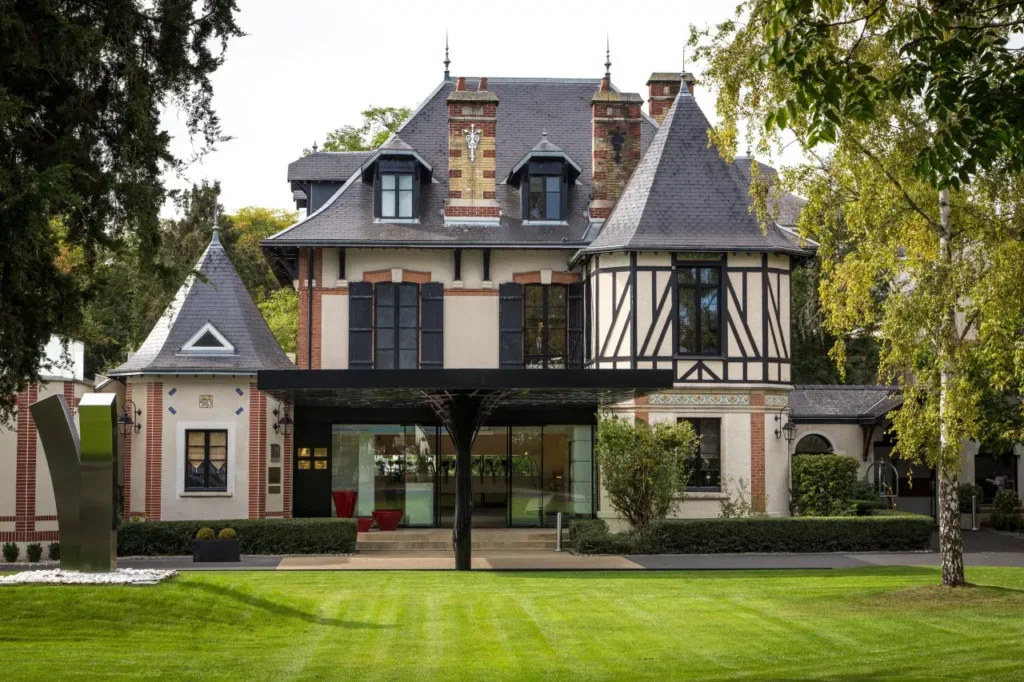
Grand Est is a captivating region in Northeastern France that serves as a crossroads for European culture. For international travelers and digital nomads, this area offers a unique blend of French elegance and Germanic efficiency. In 2026, the region remains a top-tier destination for those seeking world-class history and gastronomy. You will find stunning cathedrals, sprawling vineyards, and deep forests within its diverse borders. Whether you are visiting for the famous Christmas markets or the scenic wine routes, the local charm is undeniable. This guide provides the essential insights needed for a seamless and luxury journey through this historic heartland. Explore the diverse provinces of Alsace, Champagne, and Lorraine to see the best of what France has to offer.
Discovering the Cultural Diversity of Northeastern France
The Grand Est region is a vast territory rich in industrial and agricultural heritage. It includes major cities like Strasbourg, Reims, and Mulhouse, each offering distinct cultural experiences. Strasbourg is famous for its Gothic cathedral and the charming “Petite France” district. Meanwhile, Reims serves as the gateway to the prestigious Champagne vineyards. The region also houses significant historical sites, such as the moving memorials of Verdun.
Digital nomads and expats will appreciate the region’s modern infrastructure and high quality of life. You can easily find co-working spaces in the urban centers while enjoying nature in the Vosges mountains. The local lifestyle centers on tradition, with many festivals celebrating seasonal harvests and local crafts. Moving through these provinces allows you to witness the architectural shifts from timber-framed houses to royal limestone palaces.
7 Best Luxury Hotels in the Grand Est Region
Choosing the right accommodation is vital for experiencing the true elegance of the Grand Est. Here are seven exceptional hotel recommendations for your stay in the region.
1. Relais & Châteaux L’Assiette Champenoise
This hotel is a temple of French gastronomy located near Reims. It features a world-renowned three-star Michelin restaurant and sleek, modern rooms. It is the perfect choice for foodies who want a luxurious base in the heart of Champagne.
2. La CHENEAUDIÈRE – Hôtel Spa – Relais & Châteaux
Tucked away in the Vosges mountains, this property offers a peaceful nature retreat. The highlight is its massive “Nature-Spa,” which uses local ingredients like honey and spring water. It provides an ideal sanctuary for relaxation and forest walks.
3. Le Château d’Etoges – Champagne
Stay in a historic 17th-century castle surrounded by a tranquil moat and vast gardens. This hotel allows you to live the life of royalty while exploring the nearby vineyards. The rooms are decorated with period furniture to maintain a classic, regal atmosphere.
4. Hôtel & Spa les Violettes
Located in the lush greenery of the Alsace region, this hotel offers a romantic and quiet escape. It features a large wellness area and refined dining that highlights local Alsatian flavors. It is perfectly situated for visiting the famous regional wildlife parks.
5. 6717 Nature Hôtel & Spa le Clos des Délices
This boutique hotel blends contemporary design with the natural beauty of a six-hectare park. It offers high-end spa facilities and is a great base for hiking and outdoor activities. It caters well to those who want luxury without sacrificing their connection to nature.
6. Le N°3 PAR Champagne Thiénot
This exclusive residence provides a more intimate and private experience for its guests. It is deeply connected to the prestigious Thiénot champagne house, offering unique tasting opportunities. The design is modern, elegant, and focused on providing a high level of personalized service.
7. La Maison de Rhodes le Champ des Oiseaux
Situated in the historic heart of Troyes, this hotel consists of beautifully restored timber-framed buildings. It offers a charming courtyard garden and rooms that reflect medieval French architecture. It is an excellent choice for history lovers who want to explore the Champagne region’s heritage.
Transportation and Essential Logistics for Foreigners
Navigating the Grand Est is incredibly efficient thanks to France’s high-speed rail network. The TGV connects Paris to Strasbourg and Reims in under two hours, making weekend trips very easy. Once you arrive, regional TER trains allow you to visit smaller towns and rural villages comfortably. Most international travelers will arrive through Paris or the EuroAirport near Mulhouse.
If you prefer to drive, the motorway system is well-maintained and clearly marked for visitors. However, be aware that many highways in France are toll roads. For more travel inspiration and regional itineraries, visit Tour247 to plan your French journey. Walking and cycling are also popular, especially along the many canal paths in the countryside. Public transport in major cities like Strasbourg is very reliable and eco-friendly.
Safety, Currency, and Practical Tips for Expats
The Grand Est is generally a very safe region for international tourists and residents alike. You should follow standard safety rules in crowded areas like the famous Christmas markets. The local currency is the Euro (€), and contactless payments are standard in most establishments. However, keep some cash for smaller bakeries or rural markets where cards might not be accepted.
Learning basic French phrases like “Bonjour” and “Merci” will greatly enhance your interactions with locals. Most people in the tourism industry speak English, but a little French goes a long way. Dining hours in the region are quite strict, with lunch usually between 12:00 PM and 2:00 PM. Many businesses may close on Sundays, so plan your shopping accordingly. For medical needs, the region has high-quality hospitals and many pharmacies that offer expert advice.
Gastronomy and Cultural Highlights of the Region
Exploring the Grand Est means indulging in some of the world’s most famous culinary traditions. In Alsace, you must try the hearty “Choucroute” and the thin-crust “Flammekueche”. Lorraine is the birthplace of the famous “Quiche Lorraine” and delicate Mirabelle plum desserts. Of course, the Champagne province is the only place in the world that produces true champagne.
Beyond food, the region is rich in artistic and industrial history. You can visit the world’s largest car museum in Mulhouse or the famous train museum. The Gothic architecture of the cathedrals in Reims and Strasbourg is truly breathtaking. During the winter, the region transforms into a fairy tale with its traditional festive markets. These cultural highlights make the region a versatile destination for every type of traveler.
Conclusion
The Grand Est remains a cornerstone of French culture and a must-visit for global explorers. In 2026, its blend of historical depth and modern luxury continues to attract travelers from all over. By choosing one of the top luxury hotels, you ensure a comfortable and authentic experience. The region’s excellent transport and safe environment make it ideal for both short stays and long-term living. Take the time to savor the unique flavors and explore the diverse provinces of this beautiful land. We hope this guide helps you discover the vibrant soul of Northeastern France with ease. Safe travels as you uncover the timeless beauty of the Grand Est!
Read More: Madrid Travel Guide: Best Hotels and Insider Tips