
Table of Contents
- Introduction
- Where Is Rialb Reservoir?
- Why Visit Rialb Reservoir?
- Best Things to Do at Rialb Reservoir
- Best Places to Visit Nearby
- Where to Stay Near Rialb Reservoir
- Camping Boneta
- Ca’ la Júlia Vall de Boí
- Hotel Farré d’Avall
- Casa Coll
- Apartamentos l´Era de Baix
- Apartaments Noray
- Apartaments la Peguera II
- How to Get to Rialb Reservoir
- How to Get Around
- Safety, Currency & Practical Travel Tips
- What to Eat
- Best Time to Visit
- Frequently Asked Questions
- Final Thoughts
Introduction
Rialb Reservoir is one of the most impressive inland landscapes in Catalonia, offering a peaceful combination of deep blue water, forested hills, dramatic valleys, and historic villages. Located in the Pre-Pyrenees, the reservoir provides a refreshing alternative to the busier coastal destinations of northeastern Spain.
The area is particularly appealing to travelers who enjoy outdoor adventures, scenic road trips, rural tourism, and historic architecture. Depending on the season, visitors can spend their days kayaking across the reservoir, hiking through surrounding landscapes, photographing mountain scenery, or exploring Romanesque heritage in nearby villages.
Unlike major Spanish cities, the Rialb area is defined by space and tranquility. Roads wind through valleys and hills, while small settlements preserve traditional Catalan architecture and a slower pace of life.
The reservoir is also a useful destination for travelers who want to experience a less-touristed side of Catalonia. Instead of spending an entire holiday around crowded urban attractions, visitors can combine outdoor activities with rural accommodation, regional gastronomy, and cultural discoveries.
This Rialb Reservoir travel guide covers the best things to do, nearby attractions, recommended places to stay, transportation, practical travel advice, local food, and the best time to visit.
Where Is Rialb Reservoir?
Rialb Reservoir is located in the province of Lleida in the Catalonia region of northeastern Spain.
The reservoir stretches across a mountainous landscape shaped by the Segre and Rialb river valleys. Its surroundings include forests, cliffs, rural settlements, agricultural landscapes, and historic sites.
The destination is considerably more rural than Barcelona or other major Catalan cities. As a result, travelers should plan their transportation carefully, particularly if they want to explore several locations around the reservoir.
Barcelona is one of the main international gateways for visitors arriving from abroad. From the city, travelers can continue toward the inland areas of Lleida province by road.
Because many attractions are spread across the countryside, a rental car is generally the most convenient option for exploring the region.
Why Visit Rialb Reservoir?
Rialb Reservoir offers a completely different experience from Catalonia’s major urban and coastal destinations.
Enjoy Peaceful Mountain Scenery
The reservoir is surrounded by forests, cliffs, valleys, and open countryside. The landscape is ideal for travelers who want to disconnect from busy cities and spend time outdoors.
The combination of blue water and rugged terrain also creates excellent opportunities for landscape photography.
Experience Outdoor Activities
Water and mountain activities are among the main reasons to visit.
Depending on local conditions and regulations, visitors can enjoy activities such as kayaking, paddleboarding, hiking, cycling, and scenic walks.
The reservoir is particularly attractive to travelers who prefer active holidays rather than traditional sightseeing.
Discover Rural Catalonia
The villages surrounding the reservoir provide a glimpse into a quieter side of Catalonia.
Stone houses, old churches, rural roads, farms, and traditional landscapes create an atmosphere that feels very different from Barcelona.
Explore Romanesque Heritage
The wider area is known for its historic religious and architectural heritage.
Small Romanesque churches and medieval structures can be found throughout the surrounding valleys, allowing travelers to combine nature with cultural exploration.
Take a Scenic Road Trip
Rialb Reservoir is particularly well suited to road trips.
Rather than following a single sightseeing route, travelers can create an itinerary connecting viewpoints, villages, outdoor attractions, restaurants, and countryside accommodation.
Best Things to Do at Rialb Reservoir
1. Explore the Reservoir by Kayak
Kayaking is one of the most memorable ways to experience Rialb Reservoir.
From the water, visitors can appreciate the scale of the surrounding cliffs and valleys from a completely different perspective. The peaceful environment also makes it possible to enjoy the scenery away from roads and settlements.
If you plan to kayak, check local conditions and access rules before entering the water. Weather can change quickly in mountainous areas, so safety should always come first.
2. Go Hiking Around the Reservoir
The surrounding landscape offers numerous opportunities for walking and hiking.
Trails vary in difficulty, from relatively gentle countryside routes to more demanding mountain walks. Some paths provide elevated views over the reservoir and surrounding valleys.
Hikers should carry sufficient water, wear appropriate footwear, and check the route conditions before departure.
For longer hikes, it is also wise to download maps in advance because mobile coverage can vary in remote areas.
3. Photograph the Mountain Landscape
Rialb Reservoir is an excellent destination for landscape photography.
The combination of water, cliffs, forests, and historic settlements creates constantly changing scenery throughout the day.
Early morning and late afternoon are particularly attractive for photography because the softer sunlight enhances the contours of the surrounding mountains.
Travelers should also look for viewpoints along the roads rather than focusing exclusively on the shoreline.
4. Explore Nearby Villages
One of the best ways to experience the region is to visit small villages surrounding the reservoir.
Many communities retain traditional stone architecture and quiet historic centers. Walking through these villages provides an opportunity to see a more authentic rural side of Catalonia.
Small local restaurants and cafés can also provide opportunities to try regional dishes.
5. Discover Romanesque Churches
The wider Lleida and Pre-Pyrenean region has an important Romanesque heritage.
Historic churches and religious buildings provide interesting stops between outdoor activities.
These sites are particularly rewarding for travelers who enjoy architecture and history but prefer smaller cultural attractions rather than major museums.
6. Enjoy a Scenic Picnic
The peaceful surroundings make the reservoir suitable for a relaxed outdoor lunch.
Pack local bread, cheese, fruit, cured meats, and other regional products before heading into the countryside.
Always follow local regulations and leave the area clean. Avoid lighting fires unless explicitly permitted, particularly during dry periods.
7. Take a Sunset Drive
A scenic drive around the surrounding roads can be an excellent way to finish the day.
As the sun begins to set, the landscape takes on warmer tones while the reservoir reflects the changing sky.
Choose established viewpoints or safe parking areas rather than stopping on narrow roads.
Best Places to Visit Near Rialb Reservoir
Monastery of Santa Maria de Gualter
The Monastery of Santa Maria de Gualter is one of the notable historical sites in the wider reservoir area.
The former monastery provides insight into the region’s medieval religious heritage and makes an interesting cultural stop during a countryside itinerary.
Its historic setting also demonstrates how closely architecture and landscape are connected in rural Catalonia.
La Baronia de Rialb
The municipality of La Baronia de Rialb encompasses much of the landscape associated with the reservoir.
The area is characterized by scattered settlements, forests, agricultural land, and historic structures.
It is an excellent base for travelers who want to combine outdoor activities with rural tourism.
Ponts
Ponts is an important nearby town and a useful stop for travelers exploring the area.
Visitors can find restaurants, shops, services, and accommodation options before continuing deeper into the countryside.
It can also serve as a practical point for stocking up on food and supplies.
Tremp and the Pre-Pyrenees
Travelers planning a longer road trip can continue toward the broader Pre-Pyrenean landscape.
This region offers additional mountain scenery, villages, hiking opportunities, and cultural attractions.
Combining Rialb Reservoir with other inland destinations can turn a short visit into a multi-day Catalonia road trip.
Where to Stay Near Rialb Reservoir
The best accommodation depends on the type of trip you are planning. The properties below are located across the broader Catalan mountain and countryside region rather than directly beside the reservoir, so they should be considered as regional bases rather than all being lakeside hotels.
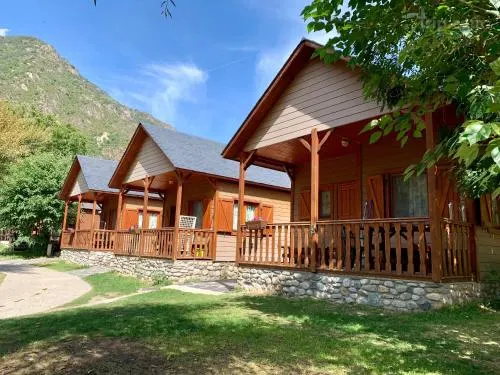
1. Camping Boneta
Camping Boneta is an excellent choice for travelers who want a closer connection with nature.
The property is particularly suitable for visitors who prefer an outdoor holiday rather than a conventional urban hotel. Camping-style accommodation can provide more flexibility for families, couples, and independent travelers exploring the mountains by car.
Its atmosphere is well matched to an itinerary focused on hiking, scenic drives, and outdoor activities.
Best for: nature lovers, families, campers, and outdoor travelers.
2. Ca’ la Júlia Vall de Boí
Discover Ca’ la Júlia Vall de Boí
Ca’ la Júlia Vall de Boí offers a rural accommodation experience in the wider Pyrenean area.
Its location makes it more appropriate for travelers planning a broader mountain itinerary rather than visitors who intend to remain exclusively around Rialb Reservoir.
The surrounding landscape is particularly appealing to travelers interested in mountain villages, hiking, architecture, and rural Catalan culture.
Best for: couples, mountain travelers, rural escapes, and longer road trips.
3. Hotel Farré d’Avall
Hotel Farré d’Avall provides a traditional mountain hospitality experience.
Its character suits travelers who prefer historic surroundings and a quieter atmosphere over large modern resorts.
The property can work well as part of a Pyrenean itinerary combining outdoor activities with visits to traditional villages and historic churches.
Best for: couples, history enthusiasts, mountain trips, and peaceful stays.
4. Casa Coll
Casa Coll offers a more intimate accommodation experience for travelers exploring the mountain region.
A rural property such as this can be particularly appealing for visitors who want to experience local landscapes at a slower pace.
It is best suited to independent travelers and road-trippers who plan to explore several destinations rather than remain in one tourist center.
Best for: rural travelers, couples, independent explorers, and road trips.
5. Apartamentos l´Era de Baix
Discover Apartamentos l´Era de Baix
Apartamentos l´Era de Baix is a practical choice for travelers who prefer apartment-style accommodation.
Having additional living space can be particularly useful for families and longer stays, especially when exploring remote areas where travelers may prefer to prepare some meals themselves.
The apartment format also provides greater flexibility than a traditional hotel room.
Best for: families, longer stays, self-catering travelers, and road trips.
6. Apartaments Noray
Apartaments Noray provides another apartment-style option for visitors looking for flexibility during a regional trip.
The format is suitable for travelers who want more independence and space than a conventional hotel room.
It can work particularly well for couples, families, and groups using the area as part of a longer Catalonia itinerary.
Best for: families, groups, independent travelers, and extended stays.
7. Apartaments la Peguera II
Discover Apartaments la Peguera II
Apartaments la Peguera II is a practical accommodation choice for travelers seeking a residential-style base in the broader mountain region.
The apartment format provides flexibility for visitors who plan to spend several days exploring surrounding landscapes and attractions.
It is especially appropriate for travelers who value independence and want to build their own itinerary rather than follow a traditional resort schedule.
Best for: families, groups, road-trippers, and longer regional stays.
How to Get to Rialb Reservoir
Getting to Rialb Reservoir requires more planning than visiting a major Catalan city because the destination is surrounded by rural roads, valleys, and scattered villages.
For international travelers, the easiest approach is usually to fly into Barcelona and continue the journey by car.
From Barcelona
Barcelona is the most practical international gateway for most visitors.
From Barcelona, travelers can drive inland toward the province of Lleida and continue through the Pre-Pyrenean countryside. The journey allows visitors to experience the changing landscape from the Mediterranean coast to the mountains.
A rental car is strongly recommended if you plan to explore the reservoir and surrounding villages independently.
From Lleida
Lleida provides another useful gateway for travelers already exploring inland Catalonia.
From the city, you can continue by road toward the northern and northeastern countryside. This option can be particularly convenient if Rialb Reservoir is part of a wider road trip through the province.
By Public Transportation
Public transportation is more limited around the reservoir than in Barcelona, Tarragona, or other major cities.
Regional buses can connect larger towns in the area, but reaching remote viewpoints, hiking trails, and rural accommodation can be difficult without a private vehicle.
For this reason, travelers should check connections carefully before choosing public transportation as their main method of exploring the region.
How to Get Around Rialb Reservoir
The surrounding area is best explored by car.
The reservoir covers a broad rural landscape, and many points of interest are separated by winding mountain roads. Having your own vehicle makes it much easier to stop at viewpoints, visit villages, reach accommodation, and explore nearby attractions at your own pace.
Driving in the Mountain Region
Roads around the reservoir can be narrow and winding.
Drive carefully, especially around bends and in areas with limited visibility. Allow extra time for journeys because distances that look short on a map can take longer than expected.
During periods of bad weather, check road conditions before setting out.
Hiking
Walking is one of the best ways to experience the landscape once you reach your destination.
Use established trails whenever possible and carry enough water, particularly during warmer months.
Do not assume that every rural path is suitable for vehicles or pedestrians. Follow local signs and respect private property.
Cycling
The surrounding roads can appeal to experienced cyclists who enjoy mountain terrain.
However, the combination of elevation changes, winding roads, and limited services means cyclists should plan routes carefully and carry appropriate equipment.
Safety, Currency & Practical Travel Tips
Rialb Reservoir is a peaceful rural destination, but outdoor travel requires different precautions from visiting a city.
Be Careful Around the Water
If you participate in kayaking, paddleboarding, or other water activities, follow local safety regulations and check weather conditions before going onto the reservoir.
Wear appropriate safety equipment and avoid entering the water during unsuitable conditions.
Prepare for Remote Areas
Some parts of the region are isolated, with limited shops and services.
Carry drinking water, snacks, a charged phone, and any necessary supplies before heading into remote areas.
If you plan a long hike, consider downloading maps in advance because mobile coverage may vary.
Check the Weather
Mountain weather can change quickly.
Even if conditions are comfortable when you leave your accommodation, temperatures, wind, or visibility can change later in the day.
Check the forecast before hiking, cycling, kayaking, or taking long scenic drives.
Currency
Spain uses the Euro (€).
Cards are commonly accepted in hotels, restaurants, and larger businesses. However, travelers visiting rural villages should keep some cash available because smaller establishments may have more limited payment options.
Language
Catalan and Spanish are the main languages spoken in the region.
English may be understood in tourist-oriented accommodation and larger establishments, but fewer English speakers may be available in remote villages.
A few basic Spanish or Catalan expressions can be useful when traveling through rural areas.
Respect the Environment
The landscape around Rialb Reservoir is one of its biggest attractions.
Do not leave rubbish behind, disturb wildlife, damage vegetation, or enter restricted areas. If you bring food or equipment into the countryside, take everything back with you.
What to Eat Near Rialb Reservoir
Food is an important part of experiencing rural Catalonia.
The cuisine around the reservoir reflects the traditions of inland Catalonia, where seasonal ingredients, locally produced meats, vegetables, bread, cheese, and wine play an important role.
Try Traditional Catalan Stews
Hearty stews are particularly enjoyable after spending a day hiking or exploring the mountains.
Traditional rural recipes often emphasize simple ingredients and slow cooking, making them well suited to the cooler mountain climate.
Sample Local Cheese
Catalonia has a long tradition of artisan cheese production.
Look for locally produced cheeses at markets, specialty shops, or rural restaurants. They can also make an excellent picnic ingredient when exploring the countryside.
Enjoy Cured Meats
Cured meats are another common feature of Catalan cuisine.
Local varieties can be enjoyed as part of a traditional meal or combined with bread and regional cheese for a simple countryside lunch.
Taste Catalan Bread and Pastries
Local bakeries provide an easy way to experience regional food culture.
Traditional bread, pastries, and seasonal sweets are ideal for breakfast or for taking on a day trip.
Explore Regional Wine
The broader Catalan region is internationally recognized for its wine production.
Travelers staying several days can include a vineyard visit in their itinerary or sample regional wines at restaurants.
Wine tourism is especially appealing when combined with countryside accommodation.
Best Time to Visit Rialb Reservoir
The best time to visit depends largely on the activities you want to enjoy.
Spring
Spring is one of the most attractive periods for hiking and exploring the countryside.
Temperatures are generally comfortable, vegetation becomes greener, and the surrounding landscapes can look particularly vibrant.
This is an excellent season for travelers interested in walking, photography, and rural sightseeing.
Summer
Summer offers long daylight hours and favorable conditions for many outdoor activities.
It can be an excellent time for kayaking, scenic drives, and spending time around the water.
However, inland Catalonia can become hot during the middle of the day. Start outdoor activities early and carry plenty of water.
Autumn
Autumn is another excellent season for exploring the reservoir.
The cooler temperatures make hiking more comfortable, while the changing landscape creates attractive conditions for photography.
It is also a good period for travelers interested in food, wine, and rural tourism.
Winter
Winter offers the quietest experience.
The surrounding mountains can become considerably colder, and some outdoor activities may be less practical depending on weather conditions.
However, travelers looking for peaceful rural accommodation, winter landscapes, and historic villages may enjoy visiting during this season.
Always check weather and road conditions before traveling in winter.
Frequently Asked Questions
Is Rialb Reservoir worth visiting?
Yes. Rialb Reservoir is particularly worthwhile for travelers who enjoy nature, outdoor activities, scenic landscapes, rural villages, and quieter destinations.
It offers a very different experience from Barcelona and the busy Mediterranean coast.
How many days do you need at Rialb Reservoir?
One full day can provide an introduction to the reservoir, but two or three days are better for travelers who want to combine water activities, hiking, villages, and nearby cultural attractions.
A longer stay is recommended if you plan to explore the wider Pre-Pyrenean region.
Can you swim at Rialb Reservoir?
Water activities depend on local conditions, access rules, and safety regulations.
Travelers should check current local guidance before swimming or participating in other water activities rather than assuming that every part of the reservoir is suitable for bathing.
Can you kayak at Rialb Reservoir?
Kayaking can be one of the most enjoyable ways to experience the reservoir, provided that local regulations and conditions permit the activity.
Always check weather conditions and use appropriate safety equipment.
Do you need a car to visit Rialb Reservoir?
A car is strongly recommended.
The reservoir and surrounding attractions are spread across a large rural area, and public transportation is much more limited than in major Catalan cities.
A rental car provides significantly greater flexibility.
Is Rialb Reservoir suitable for families?
Yes. Families who enjoy nature and outdoor activities can have an excellent experience.
Easy walks, scenic viewpoints, countryside accommodation, and suitable water activities can be combined into a family-friendly itinerary.
Parents should pay particular attention to water safety and mountain conditions.
What should I bring to Rialb Reservoir?
Useful items include:
- Comfortable hiking shoes
- Reusable water bottle
- Sunscreen
- Sunglasses
- Hat
- Light layers
- Portable power bank
- Offline maps
- Basic first-aid supplies
- Cash for smaller rural businesses
If you plan to kayak or hike, bring any additional equipment required for the activity.
Where should you stay when visiting Rialb Reservoir?
There is no single best accommodation style because the recommended properties are spread across the wider mountain and countryside region.
Camping Boneta is suitable for outdoor travelers, while Le Méridien Ra Beach Hotel & Spa is better for a luxury coastal escape. Rural properties such as Hotel Villa Retiro and Casa Coll appeal to travelers seeking a quieter countryside experience.
Apartment-style properties such as Apartamentos l´Era de Baix, Apartaments Noray, and Apartaments la Peguera II can be useful for families or longer stays.
Final Thoughts
Rialb Reservoir is an excellent destination for travelers looking to discover a quieter and more natural side of Catalonia.
Instead of crowded city streets and major tourist attractions, visitors encounter deep blue water, forested mountains, rural villages, winding roads, and historic architecture.
The destination is particularly rewarding when explored slowly. Spend one day discovering the reservoir, another hiking through the surrounding countryside, and additional time visiting Romanesque churches, traditional villages, and local restaurants.
The choice of accommodation can also shape the experience. Outdoor travelers may prefer Camping Boneta, couples may enjoy a rural or coastal retreat, and families may appreciate the flexibility of apartment-style accommodation.
Because the recommended properties are located across the broader region rather than directly around the reservoir, a rental car is the most practical way to connect them with the destination’s attractions.
For travelers searching for an alternative to Catalonia’s better-known tourist centers, Rialb Reservoir offers something refreshingly different: space, nature, adventure, and authentic rural landscapes.
Whether you come for kayaking, hiking, photography, historic villages, or simply a peaceful escape, the reservoir provides a memorable introduction to the natural beauty of inland Catalonia.